hvg.hu · Tech ·
Hidden Data of Cameras: Machine Vision Elevates Surveillance to a New Level
Many phones, cars and household appliances are equipped with cameras from which artificial intelligence can read far more than users think. Through machine learning, fatigue, motion or even quality defects can be quickly identified in images, significantly increasing efficiency in industry and everyday life.
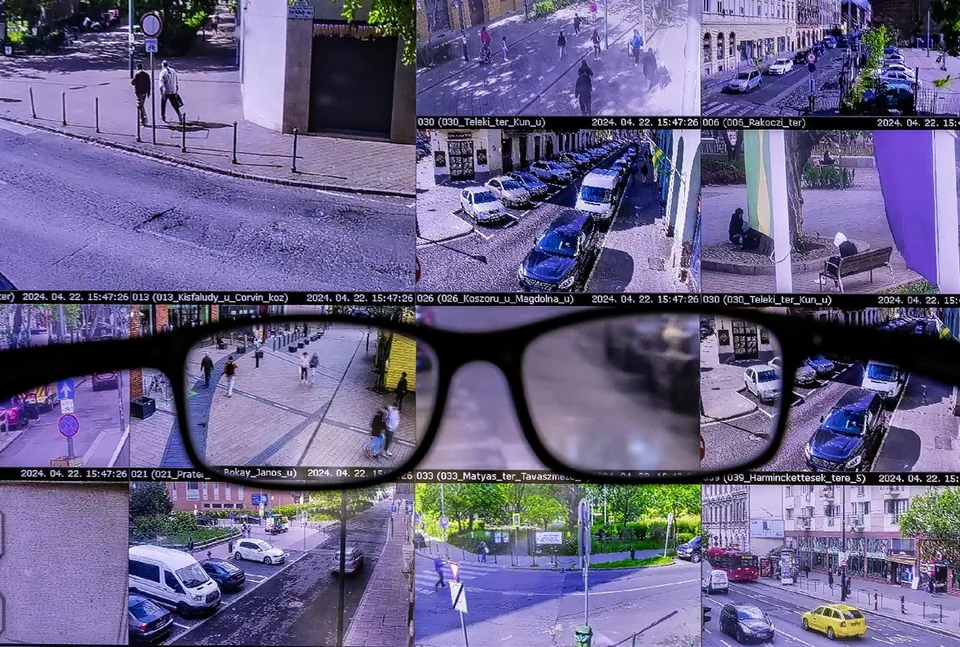
Bosch senior engineer Márk Pető explained on the company's podcast that much more detailed information can be extracted from camera recordings using machine learning than users initially assume. The system can, for example, detect fatigue from changes in a driver's face and gaze inside a car, or determine players' positions with ten‑centimeter accuracy using a stadium camera.
The advantage of machine vision is that it makes fewer mistakes after learning from large amounts of images than humans do. However, its scope is limited to specific tasks: it easily recognizes when someone runs but struggles to determine motivation. Tamás Cserteg, a researcher at HUN‑REN SZTAKI, emphasized that human general knowledge still far surpasses the current capabilities of machines.
In industrial applications, cameras need not interpret the product's role; it is sufficient for them to accurately identify the correct part and signal deviations. Quality‑control systems, having learned from images, can already determine the type of defect even when it is new or previously unknown.
The podcast mentioned dark factories where fully automated lines run without light. In such cases, cameras only receive illumination when the product under inspection is lit, while other systems use radar, thermal imaging or ultrasonic sensors.
Source: https://hvg.hu/tudomany/20260920_gepi-latas-kihivasok-kockazatok-bosch